
In 2012, Dr Oz called phytoceramides a “facelift in a bottle” and told viewers they could “drop a decade from your face” with a single pill. Within months, supplement companies were racing to market wheat-derived capsules with increasingly bold claims. The hype has cooled since then, but the confusion remains.
Put simply, phytoceramides are plant-derived versions of lipids your skin already produces naturally. Ceramides make up roughly 50% of your skin’s outer layer and act as the “mortar” holding your skin cells together. When ceramide levels drop due to ageing, harsh weather, or skin conditions, moisture escapes and irritants get in. The result is dry, rough, easily irritated skin.
Phytoceramides replenish what’s been lost. The question isn’t whether they work at all. The question is whether they work well enough to justify the investment, and whether you should be swallowing capsules, slathering on creams, or both.
Why This Matters Now
The skincare conversation has shifted. After years of potent actives and elaborate multi-step routines, more people are discovering that a compromised skin barrier undoes everything else. Retinol can’t fix skin that can’t hold onto moisture. Vitamin C won’t brighten a face that’s perpetually irritated.
Ceramides address this directly. Products like CeraVe have become pharmacy staples for a reason, and phytoceramide supplements have carved out a growing niche in the beauty supplement market.
The question worth asking: does the plant-derived version offer something the synthetic alternatives don’t?
How Ceramides Actually Work in Your Skin
Your skin’s outermost layer follows a “brick and mortar” structure. Skin cells are the bricks. Ceramides, along with cholesterol and fatty acids, form the mortar that holds everything together and prevents moisture loss.
This isn’t merely cosmetic. Ceramides regulate something called transepidermal water loss (TEWL), which is exactly what it sounds like: how much moisture escapes through your skin. When ceramide levels decline, TEWL increases. Your skin dries out regardless of how much water you drink or how many hydrating serums you apply.
The problem isn’t hydration going in. It’s hydration escaping.
Research on people with atopic dermatitis found that a 34% decrease in certain ceramides corresponded directly with reduced skin hydration and elevated TEWL. The correlation is clear: fewer ceramides means drier, more vulnerable skin.
The way ceramides arrange themselves in your skin is surprisingly sophisticated. They organise into two distinct layers with different spacing patterns, creating a structure that blocks harmful substances while retaining essential moisture. Disrupting this arrangement compromises your skin’s ability to protect itself.
The Gap Between Marketing and Science
The “facelift in a bottle” claim was always marketing hyperbole. No cream or supplement will replicate the structural changes of a surgical facelift. What phytoceramides can realistically offer is improved hydration, smoother texture, and potentially softer fine lines, particularly those caused by dehydration rather than ageing.
The clinical data supports these more modest claims. Research on Lipowheat, a wheat-derived phytoceramide extract, showed participants with dry skin experienced up to 35% improvement in hydration after three months. A Ceramosides study found a 19% increase in skin moisturisation and 18% improvement in elasticity after 56 days compared to placebo.
The wrinkle-reduction findings are less dramatic but noteworthy. One trial showed an 18% reduction in wrinkle depth with Lipowheat, and the effects persisted for eight weeks after participants stopped taking the supplement.
Dermatologists remain appropriately cautious. Board-certified dermatologist Dr Tsippora Shainhouse notes that “there is no strong evidence that consuming plant-based ceramides will have a significant impact on skin barrier strengthening and moisture loss.” The studies that exist tend to be small, and many are funded by supplement manufacturers.
Where Phytoceramides Come From
The “phyto” prefix simply means plant. Phytoceramides are extracted from botanical sources rather than synthesised in labs or derived from animals.
Common sources include:
- Wheat (the most studied, used in Lipowheat and Ceramosides)
- Rice (common in Asian formulations)
- Corn and oats
- Konjac (an Asian herb)
- Sweet potatoes
- Soybeans
The wheat-derived versions dominate the research literature. Most clinical trials have used either Lipowheat or Ceratiq, both standardised wheat extracts that have been through multiple human studies.
Plant ceramides typically come in a form called glucosylceramides, which have a sugar molecule attached to their lipid structure. Your body converts these into ceramides that can integrate with your skin’s existing barrier. This conversion happens naturally during digestion for oral supplements, or through skin metabolism for topical products.
Oral Supplements vs. Topical Creams
Both delivery methods have legitimate applications, but they work differently and suit different goals.
Topical phytoceramides provide immediate, localised benefits. Apply a ceramide cream and you’re repairing the barrier exactly where you need it, sealing in hydrating ingredients like hyaluronic acid and glycerin. Results appear relatively quickly, and you can target specific concerns.
Oral phytoceramides take a systemic approach. Supplements deliver ceramides through your bloodstream, theoretically reaching all skin on your body rather than just the areas where you apply cream. Research suggests the benefits may persist for weeks after you stop taking them.
The caveat worth noting: scientists aren’t entirely certain how consumed ceramides reach the skin and strengthen barrier function. The mechanism makes theoretical sense, but the research trail is less robust than for topical applications.
Who Benefits Most
Phytoceramides are most likely to help people whose skin barrier is already compromised or declining. This includes those with chronically dry skin that doesn’t respond well to standard moisturisers, mature skin experiencing age-related moisture loss, and menopausal women facing accelerated ceramide decline due to hormonal changes.
People in harsh climates, where cold, dry, or windy conditions deplete ceramides faster, may also find them particularly useful. The same applies to anyone using potentially irritating active ingredients like retinoids and acids, where barrier stress is an expected trade-off.
Phytoceramides may also serve as supportive care for conditions like eczema and psoriasis, where ceramide deficiency is well-documented. That said, the evidence is stronger for topical formulations than oral supplementation in these cases.
Who May See Less Benefit
People with already well-functioning skin barriers, minimal dryness, or those achieving good results with basic moisturisers may notice little additional improvement. If your skin holds onto moisture without issue, adding ceramides addresses a problem you don’t have.
Benefits are also less predictable for oily skin types, unless dryness or barrier disruption is present alongside the oiliness. Oily skin can still have a compromised barrier, but it’s less common.
How to Use Phytoceramides
Topical products:
Apply ceramide creams or moisturisers to slightly damp skin after cleansing or showering. This helps trap moisture beneath the product. Use at least once daily, more frequently if your skin needs additional support.
Ceramides work best when paired with cholesterol and fatty acids, the combination that mirrors your skin’s natural lipid composition. Formulations that include all three typically outperform ceramides alone.
Layering ceramide products over potentially irritating actives like retinoids or acids can help buffer the skin while enhancing penetration of beneficial ingredients.
Oral supplements:
Most brands recommend 350mg daily, taken with food. Some use lower doses (40mg) of more concentrated extracts. Follow the manufacturer’s instructions.
Products Worth Trying
Not all ceramide products contain actual phytoceramides. Many use synthetic versions created in laboratories, which isn’t inherently problematic, but it’s worth understanding the distinction. If plant-derived ceramides specifically matter to you, the options narrow considerably. These three deliver genuine phytoceramides.
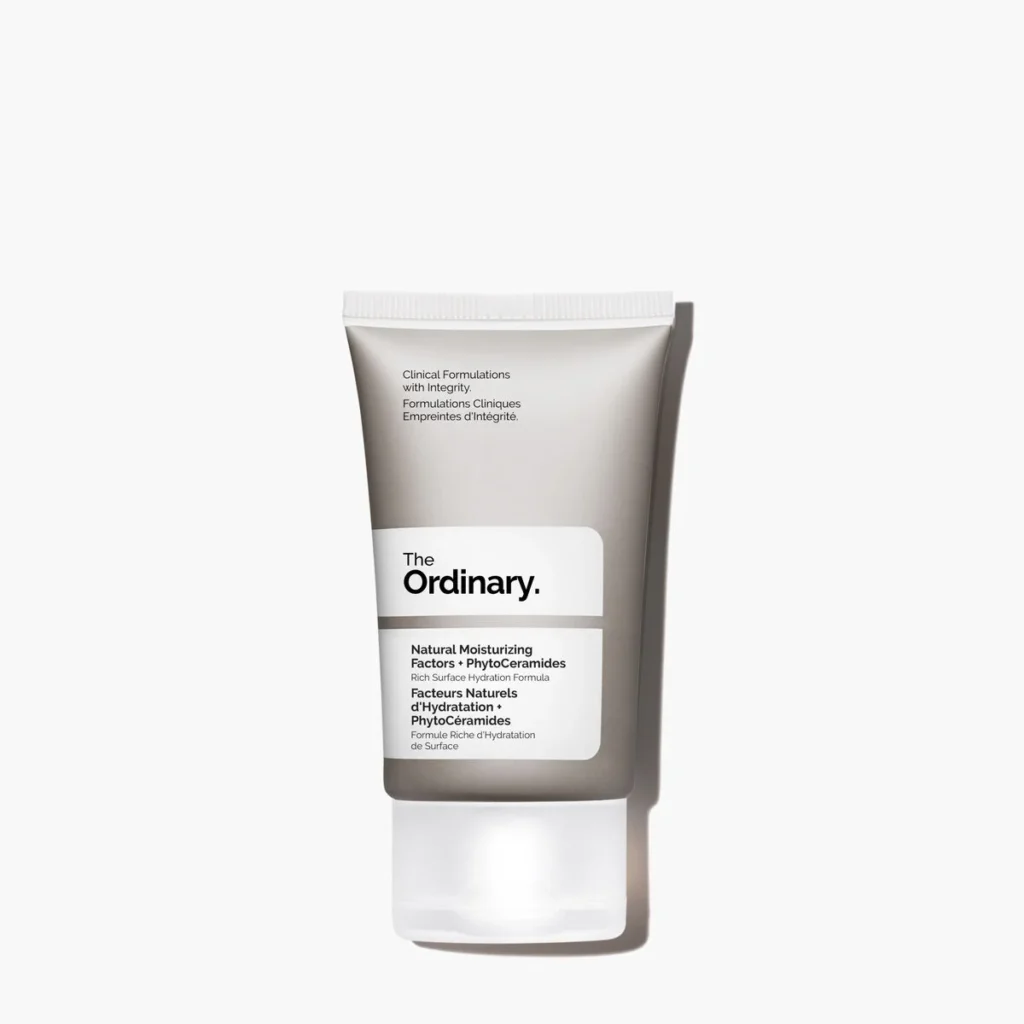
The Ordinary Natural Moisturising Factors + PhytoCeramides
Launched in 2023, it quickly became one of the brand’s most popular moisturisers. It contains Ceramosides HP, a plant-derived phytoceramide complex, alongside fatty acids, urea, and hyaluronic acid. Clinical testing showed a 68% boost in skin hydration after a single application.
The texture is rich without feeling heavy, and reviewers consistently note it rivals moisturisers costing ten times as much. Accepted by the National Eczema Association, it works particularly well for dry and dehydrated skin types or anyone using retinoids who needs extra barrier support.
Drunk Elephant Lala Retro Whipped Cream
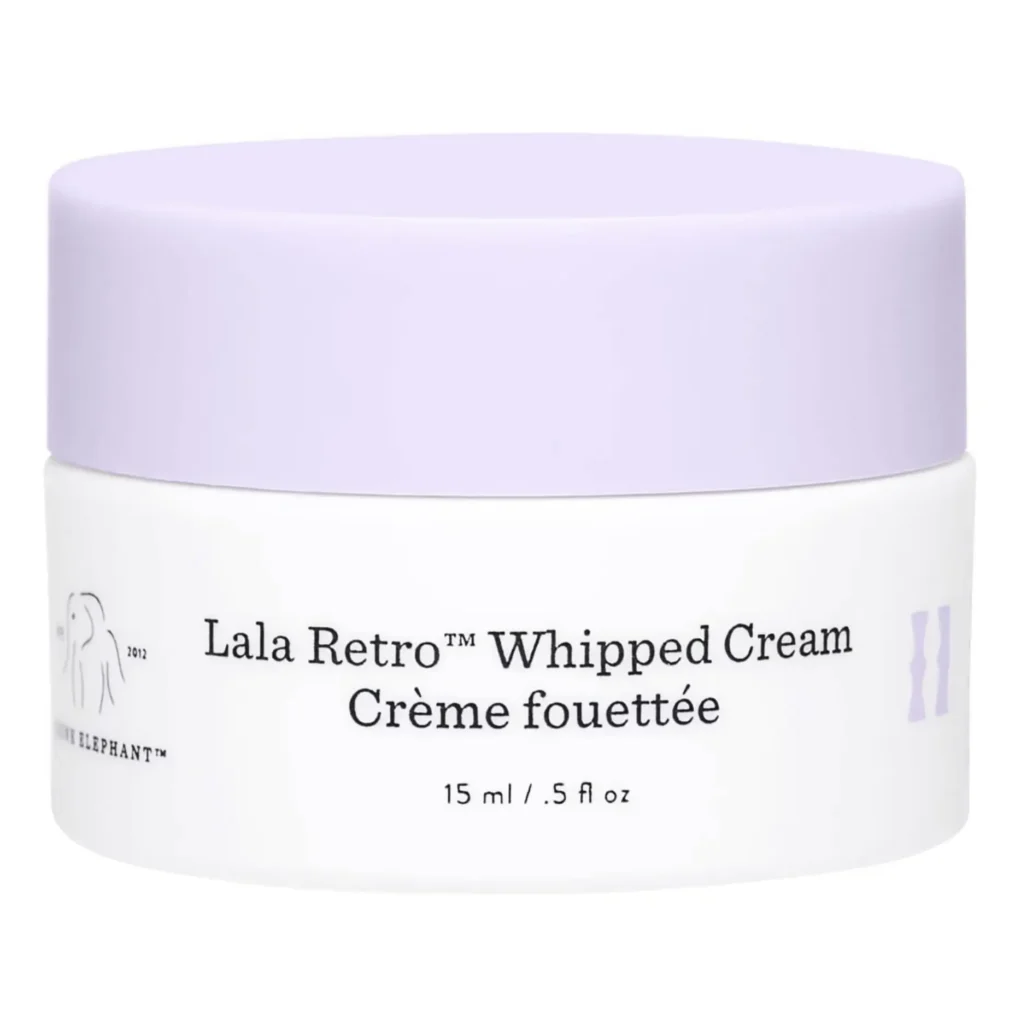
The £60 price tag places this cream at the premium end but delivers a sophisticated phytoceramide experience. The formula contains three plant-derived ceramides (AP, EOP, and NP) plus phytosphingosine, a plant lipid that acts as a ceramide precursor. Six African oils provide additional barrier support.
Sephora describes the ceramides as “identical to the wax-like moisturising ceramides that occur naturally in skin.” The whipped texture absorbs without feeling heavy, and the brand’s “clean” approach excludes fragrance, essential oils, and silicones. Worth considering if ingredient purity matters as much as efficacy.
What About Dietary Sources?
Your body can convert sphingolipids from food into ceramides. Dietary sources include rice, wheat, eggs, dairy, soybeans, and sweet potatoes.
However, absorption through normal digestion is poor. You’d need to consume impractical amounts of these foods to match the ceramide levels found in supplements. Diet should complement rather than replace targeted supplementation if you have specific skin concerns.
The Verdict
Phytoceramides are not revolutionary. They’re evolutionary, a logical approach to supporting skin barrier function through ingredients structurally similar to what your skin already produces.
The evidence for topical ceramides is solid. Multiple studies confirm they improve hydration, support barrier repair, and help manage conditions like eczema. Products featuring genuine phytoceramides, like The Ordinary’s NMF + PhytoCeramides or Illiyoon’s widely celebrated cream, deliver plant-derived lipids that closely mirror your skin’s natural composition.
The evidence for oral supplements is promising but less definitive. Studies exist showing measurable benefits, but they tend to be small and often industry-funded. Real-world reviews are generally positive, with many people reporting noticeable improvements in skin softness and reduced dryness. Whether supplementation is worth the investment depends largely on your expectations.
If you have dry, compromised, or ageing skin and standard moisturisers aren’t providing adequate results, phytoceramides deserve consideration. Start with topical products, where the research foundation is stronger and the risk is minimal. Add oral supplements if you want to try a systemic approach, keeping in mind that results may take months to become apparent.
Skip phytoceramides if your barrier function is already healthy and you’re not experiencing persistent dryness. The “facelift in a bottle” promise was always overstated, and no amount of ceramide supplementation will replicate the results of professional procedures.
The real value of phytoceramides lies in their ability to restore what time and environment have depleted. That’s not magic. It’s maintenance. And for many people, that’s precisely what their skin needs.
Frequently Asked Questions
What are the proven skin benefits of phytoceramide supplements?
Oral phytoceramide supplements can improve skin hydration by up to 35% in people with clinically dry skin, according to studies on wheat-derived extracts like Lipowheat. Research also shows reductions in roughness, itching, and fine lines. One study found that people taking konjac-derived phytoceramides for 6 weeks reported less dryness, hyperpigmentation, and oiliness compared to placebo. However, effects vary between individuals, and most studies are relatively small.
How do phytoceramides strengthen the skin barrier?
Phytoceramides structurally resemble the ceramides naturally present in your skin’s outer layer. When applied topically or consumed orally, they help fill gaps in the lipid matrix between skin cells. This restores the “mortar” that holds skin cells together, reducing transepidermal water loss and preventing irritants from penetrating the barrier. For people with conditions like eczema, whose skin doesn’t naturally produce enough ceramides, this supplementation can be particularly beneficial.
Are there side effects from phytoceramide supplements?
Topical phytoceramides rarely cause issues since they’re non-irritating and non-comedogenic. Oral supplements carry more considerations. As lipid-based compounds, they may affect cholesterol or triglyceride levels in susceptible individuals. People with cardiovascular conditions should consult their doctor before daily supplementation. Those with wheat allergies or coeliac disease should choose rice or konjac-derived alternatives rather than wheat-based products.
What foods naturally contain phytoceramides?
Phytoceramides are found in rice, wheat, oats, corn, soybeans, sweet potatoes, and millet. Eggs and dairy also contain ceramide precursors called sphingolipids, which your body can convert into ceramides. However, dietary absorption is inefficient, meaning you’d need to eat unrealistic quantities to match supplement doses. Consider these foods as supportive rather than primary sources if you’re trying to boost ceramide levels.
How do phytoceramides interact with other skincare ingredients?
Phytoceramides complement rather than conflict with most skincare ingredients. Ceramide creams help soothe skin when used alongside potentially irritating actives like retinoids and acids. They also help seal in humectants like hyaluronic acid, urea, and glycerin. Ceramides work best when combined with cholesterol and fatty acids, which together mimic the natural lipid ratio in healthy skin. This combination approach typically produces better barrier repair than ceramides alone.