
Peptides are showing up in just about every corner of skincare, from serums to moisturisers and even cleansers. These short chains of amino acids act as messengers, signalling your skin to produce more of the proteins that keep it firm, smooth, and resilient.
As we age, our natural peptide production slows down. That decline contributes to collagen loss, changes in elasticity, and the appearance of fine lines. Adding topical peptides to your routine gives your skin a boost by encouraging it to repair, rebuild, and strengthen itself.
Different peptides address different issues. Some target lines and wrinkles, others help with inflammation or barrier health. They have a lot of uses for all sorts of skin types and concerns, making them worth a look.
Key Takeaways:
- Peptides are strings of amino acids that tell skin cells to make collagen, elastin, and other proteins your skin needs.
- Different peptides focus on different issues: lines, barrier repair, inflammation, and firmness.
- Most people tolerate peptides well, and you can usually layer them with other skincare for better results.
Table of Contents:
What Are Peptides in Skincare?
Peptides are short amino acid chains that act as messengers, telling your skin to do things like make more collagen or strengthen its barrier.
But to understand how these messengers work, we have to look at how they relate to the proteins they help build.
Peptides Vs Proteins in Skin
Peptides are just fragments of proteins, usually 2–50 amino acids long. Big proteins like collagen, elastin, and keratin are made up of hundreds or even thousands of amino acids, all twisted into complex shapes.
The skin can’t absorb those massive proteins if you smear them on top. They’re just too big. Peptides on the other hand, can penetrate the outer skin layers when they are small enough (cosmetic peptides) or formulated with delivery systems designed to enhance absorption.
Once they get inside, peptides act as signals, latching onto cell receptors and telling your skin to make more collagen or start repairing itself.
Proteins, on the other hand, mainly provide structure and support.
Our bodies make both peptides and proteins naturally, but peptide production drops off as we age. That’s part of why skin gets less firm and more lined over time.
How Peptides Support Skin Health
Peptides help your skin out in a few big ways, mostly by encouraging it to make more of the good stuff.
- Signal peptides push fibroblasts to increase production of collagen and elastin, which means firmer, bouncier skin.
- Carrier peptides deliver minerals like copper right into your skin cells, helping with repair.
- Some peptides help relax muscle contractions, which can soften expression lines.
Your skin barrier gets a boost from peptides, too. They help your skin build more ceramides and lipids, so you hang onto moisture and stay protected from the environment.
That makes skin less sensitive and overall more resilient.
Peptides also speed up wound healing and calm inflammation, which can be pretty handy after procedures or when your skin’s just acting up.
What Types of Peptides Are Used in Skincare
Peptides have different roles. There are signal peptides that tell skin to make more protein, carrier peptides that deliver minerals, neurotransmitter-inhibitor peptides that calm muscle contractions, enzyme-inhibitor peptides that slow down protein breakdown, and copper peptides that do a bit of everything (healing, regeneration, you name it).

Signal Peptides
Signal peptides are like messengers, telling your skin it’s time to repair. When you put them on your skin, they trick it into thinking there’s been damage, so the repair process kicks in.
One of the best-known is palmitoyl pentapeptide-4 (Matrixyl), which helps make more collagen, elastin, and glycosaminoglycans. Studies back up its ability to improve elasticity and reduce wrinkles if you stick with it for a couple of months.
Other signal peptides like Peptamide-6 and palmitoyl tripeptide-1, focus on different proteins, but the idea’s the same: they bind to receptors and activate genes for more protein production.
How well these peptides work depends a lot on their concentration, stability, and whether they can actually get through your skin’s outer layer. Some brands use tech like liposomes to help with penetration.
Carrier Peptides (Copper Peptides) and Mineral Delivery
Carrier peptides act like couriers. Their job is to transport trace elements (most notably copper) deep into the skin to aid in wound healing and enzymatic processes.
The star of this category is Copper Tripeptide-1 (GHK-Cu). It is a multitasker that not only delivers copper but also stimulates collagen production, acts as a potent antioxidant, and calms inflammation.
They help wounds heal by encouraging new blood vessel growth and supporting tissue remodelling. Studies show they can firm skin and soften lines if you use them consistently. Copper peptides also help clear out old, damaged collagen and prompt your skin to build better-structured fibres.
These peptides usually get minerals into your skin way better than just applying the mineral alone, since the peptide protects it and helps with absorption.
Enzyme-Inhibitor Peptides for Ageing
Enzyme-inhibitor peptides stop certain enzymes from breaking down your skin’s structural proteins. As we age, enzymes like MMPs start to outpace our body’s ability to make new collagen and elastin.
Rice peptides block those enzymes and help skin make more hyaluronic acid. Soy peptides can stop proteinase formation and even affect hair follicles. Silk peptides (sericin) bind with copper to block oxidation and pigment production.
Instead of making new proteins, these peptides focus on protecting what you’ve already got. That way, they work well alongside signal peptides that encourage new growth.
Each enzyme-inhibitor peptide has its own speciality. Some go after collagen-degrading enzymes, while others target oxidative stress or pigment pathways.
Neurotransmitter-Inhibitor Peptides
Often called “Botox in a jar,” these peptides work by interrupting the signals between your nerves and facial muscles.
When you make facial expressions (like frowning or squinting), your muscles contract. Over time, this etches lines into the skin. Peptides like Acetyl Hexapeptide-8 (Argireline) or Dipeptide Diaminobutyroyl Benzylamide Diacetate (Syn-Ake) help relax these muscle contractions.
When to Choose Copper Peptides vs. Signal Peptides
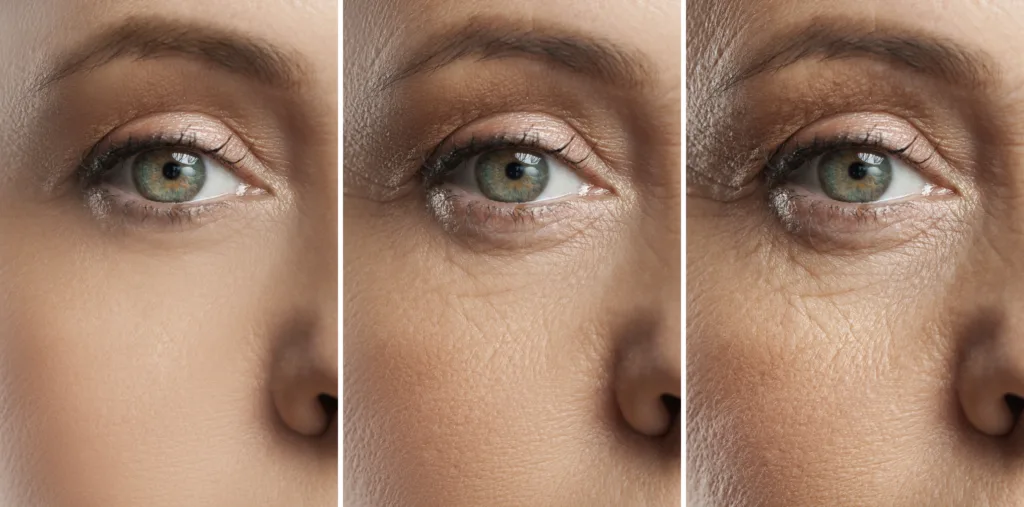
While both signal peptides (like Matrixyl) and carrier peptides (like GHK-Cu, or Copper Peptides) combat signs of ageing, they approach the problem using different mechanisms, making one potentially better for your specific goal.
Signal Peptides are primarily focused on volume and plumpness. Their main action is to “trick” the skin into producing new collagen and elastin, thereby improving firmness, smoothing fine lines, and enhancing overall texture. They are essentially telling the skin, “We need more building blocks!”
Copper Peptides, in contrast, focus on remodelling and regeneration. Their core function is to deliver the essential mineral copper deep into the skin to facilitate advanced healing, repair, and the replacement of old, damaged collagen structures. This makes them best suited for addressing fragile skin, promoting healing after injury, and evening tone, as they actively replace scarred or compromised tissue with better-structured fibres.
Benefits of Peptides for Skin
Peptides really shine in three main ways: they tell skin to make more structural protein, strengthen the barrier, and help your skin hold onto moisture.
- Boosting Collagen Production: As collagen drops with age, skin gets saggy, and wrinkles show up. Signal peptides (especially those that mimic collagen fragments) get fibroblasts working overtime to repair and firm things up. More collagen means better elasticity and less sagging. Studies suggest regular peptide use can soften fine lines in as little as 8-12 weeks.
- Certain peptides also speed up wound healing by boosting collagen and elastin at injury sites while calming inflammation. That’s why they’re handy after treatments or for anyone wanting extra repair.
- Enhancing Skin Barrier Strength: Your skin barrier depends on proteins and lipids to keep water in and irritants out. Peptides help by increasing the production of key proteins like filaggrin and involucrin, which reinforce that protective outer layer. With a stronger barrier, you lose less water, and your skin stays hydrated longer. You’re also better protected from pollution, UV, and harsh weather.
- Improving Hydration and Resilience: Some peptides boost your skin’s hydration by encouraging the production of hyaluronic acid and glycosaminoglycans. Basically, molecules that grab onto water and plump up skin, leading to fewer dehydration lines and a smoother look. Peptides also help skin stay hydrated even when conditions aren’t ideal, like in dry air or heated rooms. Certain sequences reduce inflammation and sensitivity, so your skin doesn’t become reactive.
Which Skin Types Benefit Most
- Aging/Mature Skin: Benefits from Signal (for firmness/volume) and Neurotransmitter peptides (for expression lines).
- Sensitive/Compromised Skin: Benefits immensely from Enzyme-Inhibitors (protecting existing collagen) and Carrier peptides (for their anti-inflammatory and healing properties).
- Acne-Prone Skin: Benefits from the anti-inflammatory and barrier-strengthening effects of Carrier and certain Signal peptides, helping to reduce redness and support healing after breakouts.
How to Use Peptides in Your Routine
Peptides work best when you apply them correctly and pair them with the right ingredients. Knowing how to layer, when to use them, and how to help them absorb can make a real difference for your skin.
Combining Peptides with Other Skincare Ingredients
Peptides play nicely with most skincare ingredients and can even boost the results of other actives. They’re especially good alongside hyaluronic acid, which hydrates, while peptides handle collagen and repair.
If you use vitamin C in the morning, apply that first, let it sink in, then follow with your peptide serum. However, if you are using Copper Peptides, avoid using them at the same time as Vitamin C, as they can cancel each other out or cause irritation. Use Vitamin C in the morning and Copper Peptides at night.
Retinol and peptides can work together if you’re careful.
Try retinol at night and peptides in the morning, or use peptides first and wait until they absorb before applying retinol. This combo can help you get more out of both without extra irritation.
Avoid putting peptides on right after strong acids like AHAs or BHAs—the altered pH can mess with peptide stability. Give it at least 15 minutes between steps or use them at different times.
Peptides Side Effects
Most people don’t have issues with peptides because their structures mimic what’s naturally in your skin. Adverse reactions are rare.
Still, a few folks might have allergies, such as redness, itching, or mild irritation, that can pop up. These reactions are less common than with other actives, but it’s possible.
Sometimes, it’s not even the peptides themselves but preservatives or fragrances in the formula that cause problems.
Peptides and Sensitive or Problem Skin
Peptides are a solid pick for sensitive skin because they work gently. They support your skin barrier and help with healing, unlike harsher actives.
If your skin barrier is compromised, peptides can help repair and calm things down. Signalling peptides boost collagen and usually get along well with delicate or rosacea-prone skin.
However, some formulations use penetration enhancers or acidic adjusters that could irritate problem skin. Look for products made specifically for sensitive types if you’re worried.
FAQ
Q: What benefits do peptides offer for skin health and rejuvenation?
A: Peptides act as building blocks for proteins like collagen, elastin, and keratin. These proteins shape your skin’s tone, texture, and bounce.
Peptides send signals to your skin, prompting it to make more of these structural proteins. They also help your skin barrier hold onto moisture and defend against environmental stress. It’s not just about ageing—they can help with overall skin regeneration too.
Q: How do peptides enhance the anti-ageing properties of skincare products?
A: Peptides tell your skin to ramp up collagen production, which keeps things firm and smooth as you get older. This helps offset the natural collagen drop that comes with age.
They also encourage your skin cells to behave more like they did when you were younger, supporting cell turnover and repair that can slow down over time.
Q: Are there any risks associated with using peptide-based products for sensitive skin?
A: Peptides are generally well-tolerated, even by sensitive skin. They’re similar to natural skin proteins, so most people don’t react.
Still, if you’re allergic to a specific peptide or something else in the formula, you might get mild irritation. Always patch test before going all in. Most peptide formulas are actually designed with sensitive or damaged skin in mind.
Q: How often should one apply peptide-infused skincare treatments for optimal results?
A: Apply peptide products daily. morning and night. You’ll usually notice changes in about 8 to 12 weeks, as long as you stick with it.
It’s not about using them more often, but about being consistent so your skin has time to respond and ramp up protein production.
Q: Can peptide skincare products be incorporated with other active ingredients, and if so, how?
A: Yes, you can mix peptides with retinol, but it’s best to use them at different times, one in the morning, the other at night. Peptides generally get along with most actives thanks to their gentle nature.
They complement antioxidants, hyaluronic acid, and niacinamide really well in layered routines. Apply peptides after cleansing and before heavier creams to get the most out of them. Let each layer absorb before moving on to the next for best results.
Q: What distinguishes different types of peptides used in skincare formulations?
A: Every peptide type goes after a specific skin concern, using its own unique strategy. You’ll often see brands mixing several types in one formula. Signalling peptides steal the spotlight in skincare. They increase collagen and elastin production, which is quite essential for keeping skin firm.
Carrier peptides take a different approach. They bring trace elements right where they’re needed, supporting enzyme function and even helping with wound healing.
Enzyme-inhibitor peptides put the brakes on collagen breakdown by blocking certain enzymes.
Neurotransmitter peptides target muscle contraction. They help soften expression lines by reducing those tiny movements under the skin.