

A controlled study published in the Journal of Cosmetic Dermatology has found that a cream containing retinaldehyde, niacinamide, and haritaki fruit extract can maintain and enhance the anti-ageing effects of minimally invasive rejuvenation procedures when used during the recovery period.
The findings add to growing evidence that what you apply to your skin after a procedure matters just as much as the treatment itself.
Study Design and Results
Researchers conducted a split-face study on 66 participants who had undergone one of three facial rejuvenation procedures: glycolic acid peels (30% or 50%), fractional ablative CO2 laser, or hyaluronic acid injections in the crow’s feet area.
After re-epithelialisation (once the skin surface had healed), participants applied the test product to one randomised half of their face once daily for three months. The other side received no topical treatment.
The treated side showed visibly enhanced and prolonged anti-ageing effects compared to the untreated side, with improvements appearing as early as one month. Skin tolerance was reported as very good throughout the study period.
Why This Combination of Ingredients
The formulation targets three complementary mechanisms relevant to post-procedure recovery.
Retinaldehyde is a vitamin A derivative that sits one conversion step away from retinoic acid, the biologically active form. Unlike prescription tretinoin, it offers meaningful anti-ageing benefits with significantly better tolerance. A comparative study found that retinaldehyde and retinol have “a good tolerance profile, in contrast with the irritating potential of retinoic acid”, a critical distinction when treating skin with a compromised barrier.
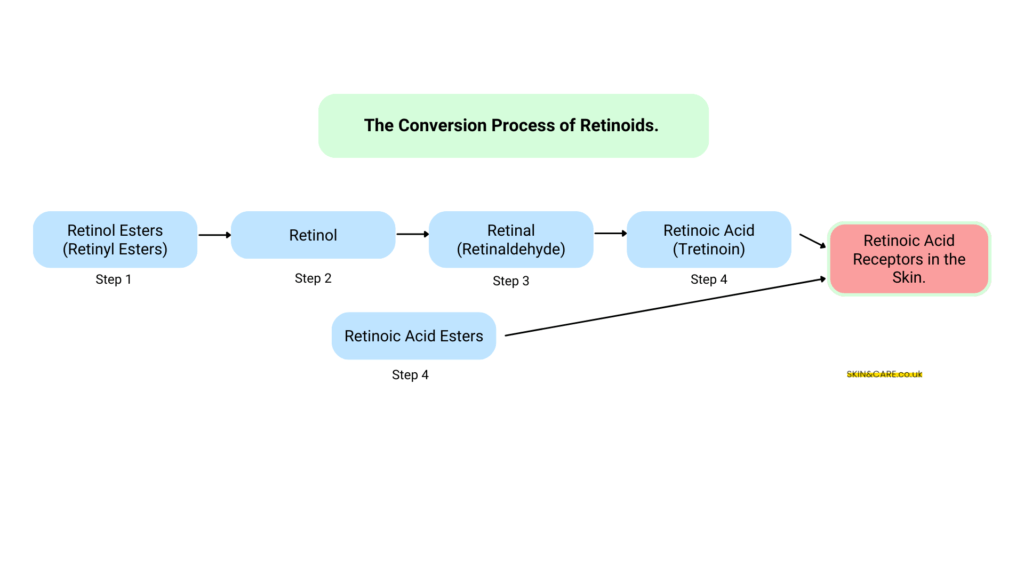
Earlier research comparing 0.1% retinaldehyde cream to glycolic acid peel sessions found comparable improvements in skin texture, wrinkle length, and radiance, with the retinaldehyde group experiencing fewer adverse effects.
Niacinamide (vitamin B3) supports barrier repair, reduces inflammation, and improves hydration, all priorities for post-procedure skin. It also has documented benefits for pigmentation concerns, which is relevant for patients at risk of post-inflammatory hyperpigmentation.
Haritaki fruit extract (Terminalia chebula) provides antioxidant protection and acts as a natural hyaluronidase inhibitor, preventing the enzyme from breaking down hyaluronic acid. Since natural HA production decreases with age and existing HA is broken down by enzymes, this protective effect is particularly relevant for patients who have received HA-based treatments.
The Shift Toward Periprocedural Skincare
This study reflects a broader trend in aesthetic dermatology: treating the recovery period as an active phase rather than passive downtime.
A 2025 consensus from Australian dermatologists and plastic surgeons developed recommendations for periprocedural skincare with energy-based devices, noting that appropriate skincare can “improve treatment-related outcomes, reduce recovery time, and reduce common adverse events.”
Similarly, an international panel of eight dermatologists developed algorithms to integrate skincare with aesthetic procedures in patients with skin of colour, emphasising that periprocedural measures can reduce side effects and improve outcomes.
The logic is straightforward: procedures create controlled skin injury. Optimising the healing response with targeted skincare should, in theory, lead to better results than leaving recovery to chance. This study provides evidence that the theory holds in practice.
Limitations and Funding Disclosure
The study was funded by Pierre Fabre Dermo-Cosmetics & Personal Care, which manufactures retinaldehyde-based products under the Eau Thermale Avène brand. It was retrospectively registered for publication purposes, as registration of cosmetic product studies is not mandatory in the EU.
While split-face designs are considered reliable (each participant serves as their own control), independent replication would strengthen these findings.
Clinical Implications
For practitioners, this study supports discussing post-procedure skincare as part of the treatment plan rather than an afterthought. Patients investing in rejuvenation procedures may benefit from evidence-based topical regimens that complement their treatments.
For patients, the key points are:
- Wait for healing first: The study began the skincare regimen only after re-epithelialisation (after the skin surface had healed). Most dermatologists recommend avoiding active ingredients for at least 24-48 hours post-procedure, and longer for more aggressive treatments.
- Tolerance matters: Post-procedure skin has a compromised barrier. Retinaldehyde offers anti-ageing activity without the irritation profile of prescription retinoids, making it better suited to this context.
- Multi-ingredient approaches may outperform single actives: Combining barrier repair (niacinamide), antioxidant protection (haritaki), and cellular renewal (retinaldehyde) addresses multiple aspects of the recovery process simultaneously.
While this study was conducted between September and March (low-UV months), both aesthetic procedures and retinoids can make the skin more sensitive to sunlight. Dermatologists universally recommend broad-spectrum SPF 30+ during the day when using any retinoid and especially during post-procedure recovery to protect the results.
The Bottom Line
This controlled study suggests that strategic use of a retinaldehyde-based cream after aesthetic procedures can extend and enhance treatment results. While more independent research is needed, the findings align with the growing consensus that periprocedural skincare deserves the same attention as the procedures themselves.