

You’ve been told your skin needs more. More steps. More serums. More actives with more percentages doing more things. The £156 billion skincare industry has convinced a generation that a five-product routine is basic, that serious skincare means layering acids and retinoids and peptides until your bathroom looks like a chemistry lab.
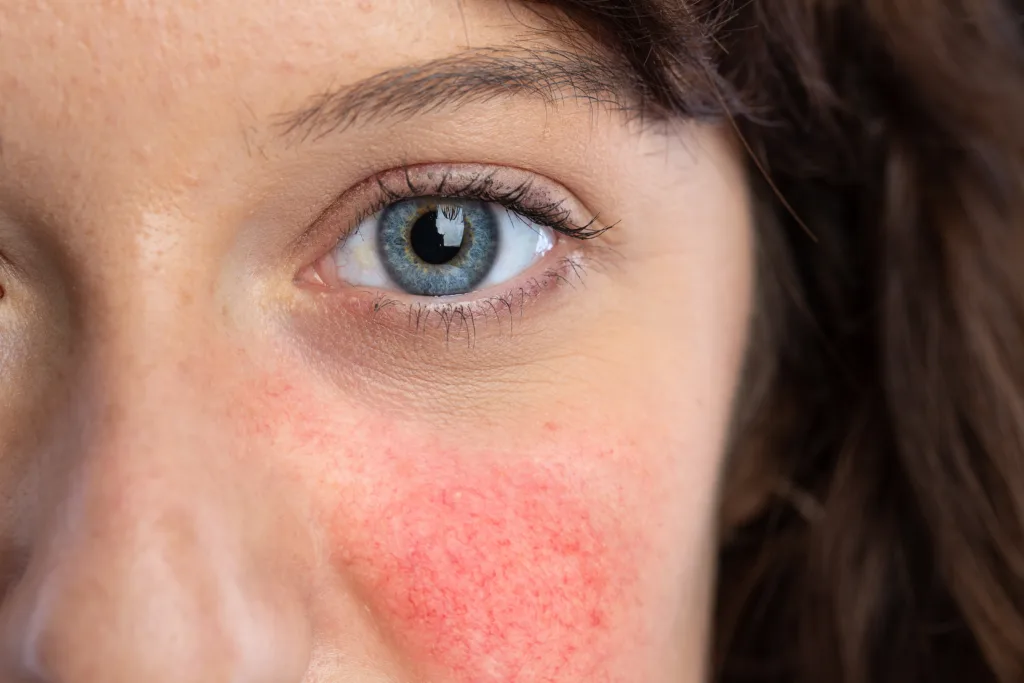
Dermatologists are seeing record numbers of damaged skin barriers, contact dermatitis, and skin so sensitised it can’t tolerate anything anymore. The products meant to fix your skin are wrecking it. And the industry’s solution is to sell you more products to fix the damage from the first products.
What Active Ingredients Actually Are
Active ingredients are the components in skincare that change your skin’s structure or function. Retinoids stimulate cell turnover. Acids dissolve dead skin. Antioxidants neutralise free radicals. Everything else, the emulsifiers, preservatives, thickeners, and fragrance, just keeps the product stable and pleasant to use.
The distinction matters because it’s the active ingredient concentration that determines whether a product works or just smells nice. A moisturiser listing retinol last contains so little it’s essentially marketing. The same retinol listed in the top third might actually deliver results.
Why Everyone Became an Amateur Chemist
The Ordinary changed everything. When a brand started selling 10% niacinamide for £5 and putting percentages on every bottle, it democratised skincare science. Suddenly, everyone could access clinical-strength actives without dermatologist gatekeeping or luxury pricing.
But it also created a culture where more ingredients at higher percentages became the goal. Social media amplified it. Ten-step Korean routines. Shelfies featuring fifteen serums. Threads debating whether to layer vitamin C under or over niacinamide. The measure of a good routine became how many actives you could fit into it.
The problem is that skin doesn’t work that way. More actives don’t compound into better results. They compound into irritation, barrier damage, and skin that’s worse off than when you started.
What the Research Actually Shows
Here’s where the marketing diverges from the science.
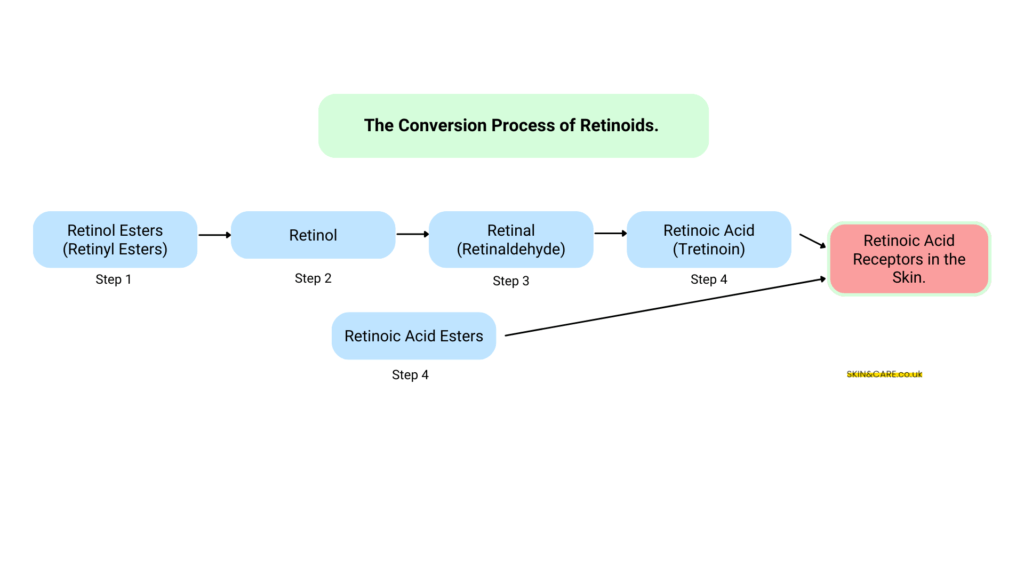
Retinoids are the one category with overwhelming clinical evidence. Research published in the New England Journal of Medicine demonstrated tretinoin restores collagen in photodamaged skin. Studies show retinol reduces collagen-degrading enzymes while boosting collagen-producing cells. The catch: tretinoin outperforms retinol roughly 2-fold because retinol requires two conversion steps in your skin. That over-the-counter serum is working much harder for weaker results.
Vitamin C is legitimately useful for collagen synthesis and UV protection. 10% L-ascorbic acid reduced UVB damage by 52% in clinical studies. But L-ascorbic acid is notoriously unstable. That serum in a clear dropper bottle started oxidising the day you opened it. Proper packaging matters more than chasing 20% concentrations.
Niacinamide might be the most versatile active available. A 12-week double-blind trial showed 5% improved fine lines, hyperpigmentation, and texture simultaneously. Clinical trials show niacinamide significantly reduces sebum production and improves pore visibility, with measurable improvements within 8-12 weeks. But here’s what brands don’t advertise: benefits plateau between 5-10%. That 20% niacinamide serum isn’t twice as effective. It’s just more likely to irritate you.
Hyaluronic acid holds 1000 times its weight in water. True. But molecular weight determines whether it actually penetrates your skin or just sits on top. Multi-weight formulations outperform single-weight products. Most brands don’t tell you which they’re using because the cheap version that sits on the surface is easier to formulate.
Ceramides make up 50% of your skin barrier’s lipid content. Replacing them makes theoretical sense. The complication: ceramides need high-temperature processing to dissolve properly. Cheap formulations with undissolved ceramides floating around won’t rebuild anything.
Peptides are what people want to believe in. Matrixyl showed wrinkle reduction in 12-week trials. But many peptides are too large to penetrate skin meaningfully. They may work through surface signalling, but if peptides are the centrepiece of your anti-ageing routine, you’re bringing a butter knife to a sword fight.
AHAs and BHAs dissolve dead skin effectively when formulated correctly. Glycolic acid increases epidermal thickness and collagen over time. Salicylic acid clears pores because it’s oil-soluble. But AHAs need pH between 3-4 to work. Many products are formulated at higher pH to reduce irritation complaints, which also reduces exfoliation. You get a gentle product that doesn’t do much.
The Myths That Won’t Die
“Higher percentages work better.” They don’t. Niacinamide plateaus at 5-10%. Vitamin C above 20% increases irritation without improving absorption. Glycolic acid above 10% at home risks chemical burns. The EU caps daily-use glycolic at 4% for good reason.
“More actives mean better results.” Your skin has a limited capacity to process ingredients. Layering five actives doesn’t give you five times the benefit. It gives you irritation, compromised barrier function, and skin that’s reactive to everything.
“If it tingles, it’s working.” Tingling means irritation. Some irritation is unavoidable with actives like retinoids, but chasing the tingle is chasing damage. Effective products don’t need to hurt.
“Natural ingredients are gentler.” Poison ivy is natural. So is lemon juice, which has a pH low enough to cause chemical burns. Natural is a marketing term, not a safety designation.
Who Should Actually Use Active Ingredients
Oily and acne-prone skin: Niacinamide (5%) for sebum control, salicylic acid (2%) for clearing pores, adapalene for cell turnover. This combination addresses the actual mechanisms of acne.
Ageing concerns: Retinoids are non-negotiable if you’re serious. Start with retinol, graduate to tretinoin if needed. Add vitamin C in the morning for collagen support and UV protection. Peptides are fine as supporting players but won’t carry the routine.
Hyperpigmentation: Vitamin C (10-20% L-ascorbic acid) inhibits melanin production. Niacinamide blocks melanin transfer. Azelaic acid (15-20%) targets post-inflammatory marks. Retinoids speed turnover to push pigmented cells out faster.
Dull, textured skin: One well-formulated AHA or BHA, used consistently, will do more than five different exfoliants rotated chaotically. Glycolic for surface texture, salicylic for congestion.
How to Use Actives Without Wrecking Your Skin
One at a time. Introduce a single new active and wait 4-6 weeks before adding another, otherwise you won’t know what’s helping and what’s causing irritation.
Timing matters. Vitamin C in the morning boosts sunscreen efficacy. Retinoids at night because UV degrades them. Acids and retinoids on different nights if you’re using both.
Don’t mix direct acids with retinoids in the same routine. Low-pH vitamin C, glycolic acid, and salicylic acid, when combined with retinoids, increase irritation without improving results.
Sunscreen is mandatory. Retinoids, AHAs, and BHAs all increase photosensitivity. Using anti-ageing actives without sun protection is self-defeating. SPF 30 minimum, reapplied during sun exposure.
Read the label position. Ingredients are listed by concentration. An active appearing after fragrance is present in trace amounts. If the brand won’t disclose percentages, assume they’re too low to matter.
When to Skip Actives Entirely
If your routine is eight products and your skin is worse than when you started, the answer isn’t finding the right ninth product. It’s removing six of them.
A basic routine of cleanser, moisturiser, and sunscreen will serve most people better than an elaborate active-heavy regimen applied inconsistently or incorrectly. The unsexy truth is that consistency with basics beats complexity with actives.
If you’ve been using retinoids for six months with no improvement, see a dermatologist. Prescription-strength options exist. If hyperpigmentation isn’t responding to topicals, professional treatments like chemical peels or laser may be more appropriate. Topical actives have limits.
The Bottom Line
Active ingredients work. The research supports retinoids for ageing, niacinamide for multiple concerns, vitamin C for protection and brightening, properly formulated acids for exfoliation. But they work within limits, at specific concentrations, in stable formulations, applied to healthy skin with intact barriers.
The skincare industry profits from convincing you that more is better. It isn’t. Two or three well-chosen actives, used consistently on skin that can tolerate them, will outperform a bathroom full of serums applied to a barrier you’ve destroyed trying to optimise your routine.
Your skin doesn’t need an arsenal. It needs a strategy.
Frequently Asked Questions
What Are the Benefits of Hyaluronic Acid in Moisturisers?
Hyaluronic acid provides immediate hydration by holding up to 1000 times its weight in water. Multi-weight formulations with high and low molecular weights hydrate the surface while penetrating deeper for better results than single-weight products.
How Do Retinoids Help With Signs of Ageing?
Retinoids increase cell turnover, boost collagen production, and reduce the enzymes that break down existing collagen. Clinical research shows improvement in fine lines, texture, and skin thickness over 12-24 weeks of consistent use.
Can Niacinamide Reduce the Appearance of Pores?
Yes. Clinical trials demonstrate 18% visible reduction in pore size over eight weeks with 4% niacinamide. It works by regulating sebum production and improving overall skin texture.
Which Sunscreen Ingredients Offer Broad-Spectrum Protection?
Zinc oxide and titanium dioxide provide immediate broad-spectrum protection. Chemical filters like avobenzone and Tinosorb offer lightweight coverage. Look for SPF 30 or higher with both UVA and UVB protection.
Are Peptides Effective in Anti-Ageing Skincare?
Peptides show modest benefits. Matrixyl reduced wrinkle depth in double-blind studies over 12 weeks. Results are less dramatic than retinoids; however, peptides cause minimal irritation, making them suitable for sensitive skin.
How Do Antioxidants Improve Skin Health?
Antioxidants neutralise free radicals from UV exposure and pollution, preventing oxidative damage to collagen and elastin. Vitamin C, vitamin E, and green tea extract are the most researched topical options.